
Manufacturing & Industry
Chemicals
In chemicals, AI works mostly on process data: catching deviation early from sensor streams and optimising formulations.

Problems we address in this sector
- 01Anomaly and process-deviation detection in sensor streams
- 02Optimising formulations and operating parameters for yield
- 03Making laboratory records and technical documents searchable
- 04Root cause analysis of quality deviations
Where it gets difficult
Chemical plants have plenty of data, but it is scattered: sensor streams, laboratory analyses, batch records and technical documents sit in separate systems. The first job of AI is often to bring them onto one time axis and make visible where a deviation began.
In process optimisation a model's suggestion is never applied directly. The proposed parameter has to stay within safe operating limits, be validated in simulation or a controlled trial, and the decision stays with the operator.
Approaches we apply

MLOps & Model Operations
Evaluation infrastructure, observability, hallucination and regression tracking, continuous retraining.
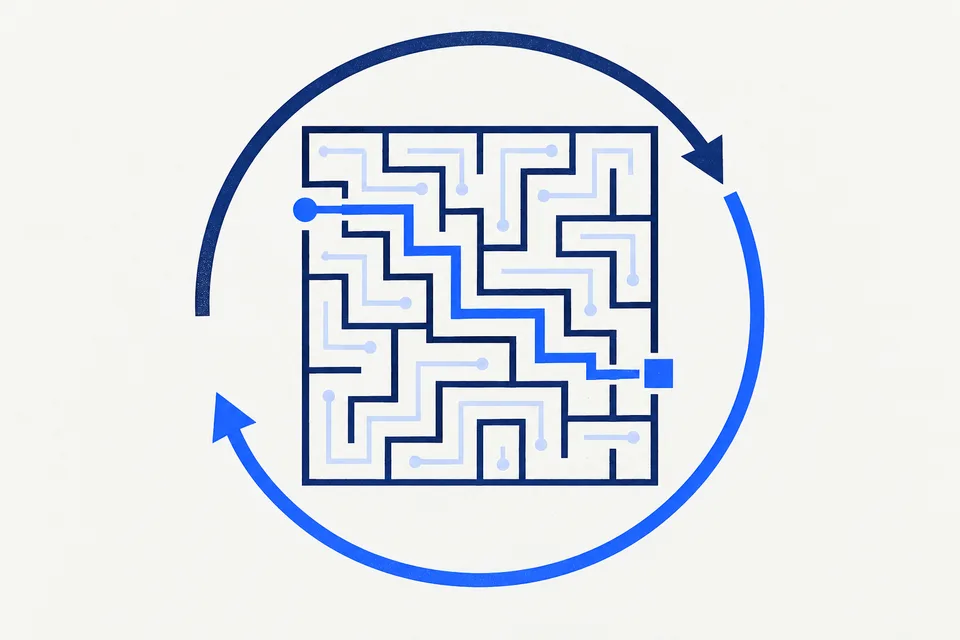
Reinforcement Learning & Decision Systems
Decision policies that adapt to changing conditions, reward design, training in simulation and safe transfer to the field.
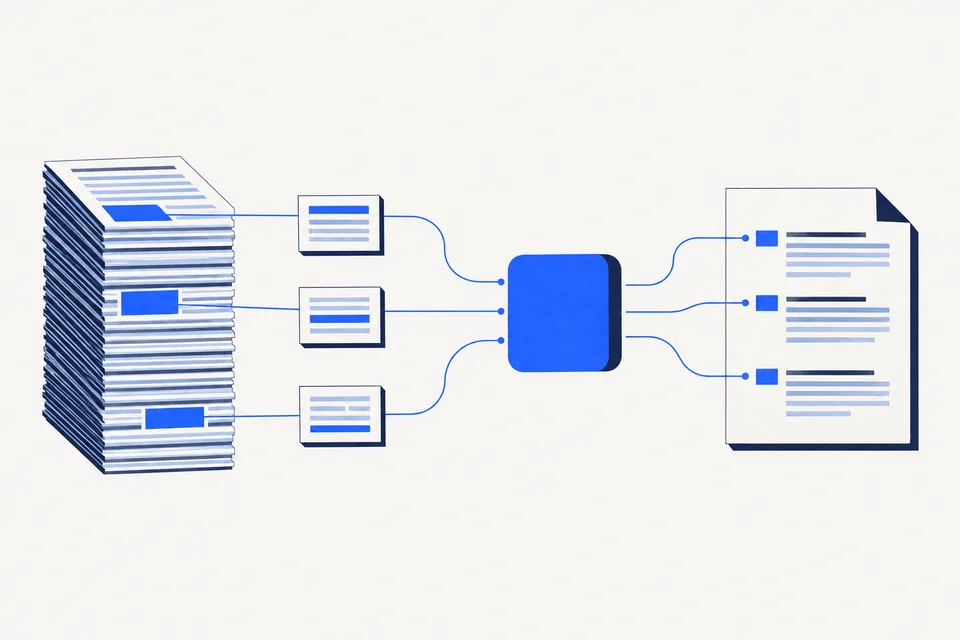
Generative AI & LLMs
RAG architectures, domain adaptation and fine-tuning, distillation into smaller models, Turkish evaluation sets and on-premise deployment.


Frequently asked questions
Which data is needed?
Sensor time series, laboratory results and batch records. The data does not have to be complete; feasibility measures which variables explain quality.
What can be done with technical documents?
A search system that answers with its source can be built over procedures, safety data sheets and laboratory records. It runs on premises and the data does not leave the company.
Does the model decide instead of the operator?
No. The model flags deviation early and suggests parameters; the decision to apply them, and the responsibility, stay with the operator.
Other sectors

Manufacturing
Visual quality inspection, process optimisation and industrial automation.
Explore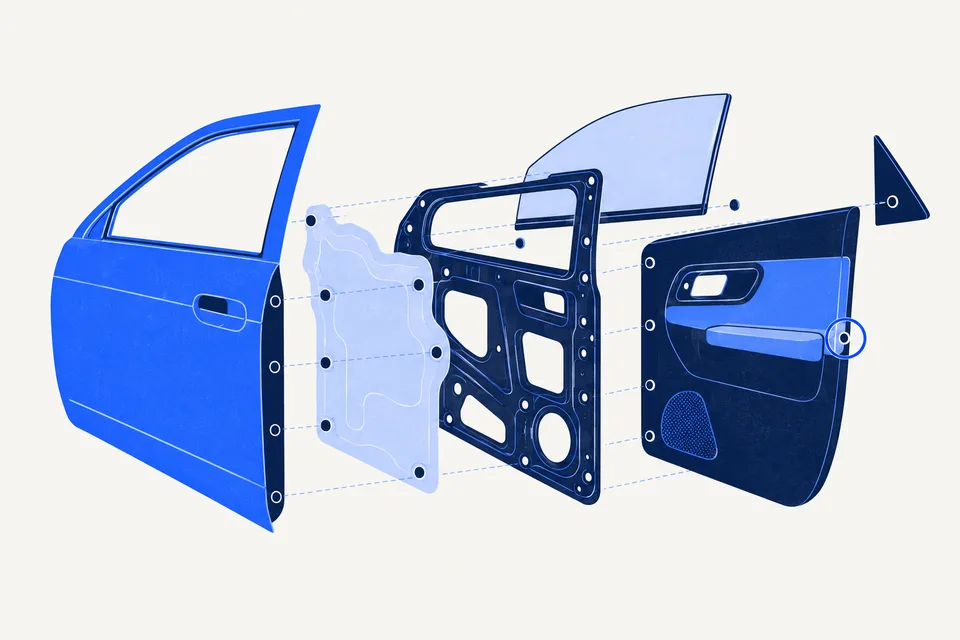
Automotive
Surface defect detection, assembly verification and vision models for driver assistance.
Explore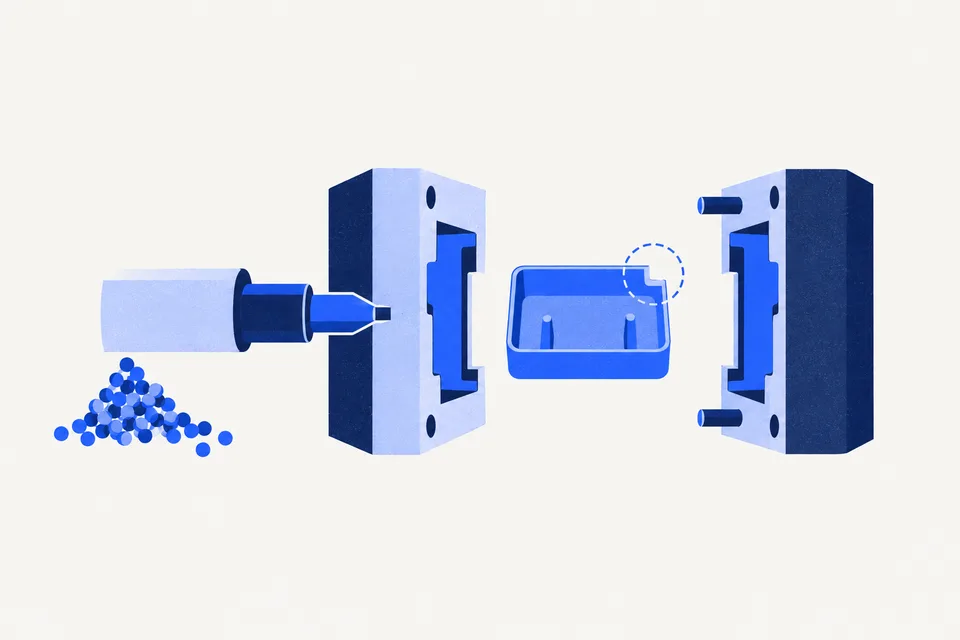
Plastics
Production optimisation, quality control and recycling efficiency.
Explore
Pharmaceuticals
Packaging and serial number verification, retrieval with source attribution and decision trails.
Explore
Food
Production quality control, supply chain and adulteration detection.
Explore


Do you have a problem in this sector?
Let's define the problem together in a technical consultation; feasibility is assessed at the first stage.