
Pharmaceuticals & Food
Pharmaceuticals
In pharmaceuticals, AI works on both the discovery and the manufacturing side; traceability and verifiability are mandatory in each.

Problems we address in this sector
- 01Retrieval systems with source attribution over scientific literature and internal records
- 02Packaging and serial number verification on the production line
- 03Analysis and reporting of clinical research data
- 04Retaining the model's decision trail as required by regulation
Where it gets difficult
Computerised systems in pharmaceutical manufacturing must be validated; EU GMP Annex 11 and, in the US, 21 CFR Part 11 define the integrity of electronic records and audit trails. A model working correctly is therefore not enough: it must be possible to show later which version made which decision on which data.
In Turkey, medicine packs carry a DataMatrix code under the national drug tracking system. Checking on the line that the code is printed and readable, that its content matches the text on the pack and that the serial number is not repeated is one of the most concrete uses of visual inspection.
Approaches we apply
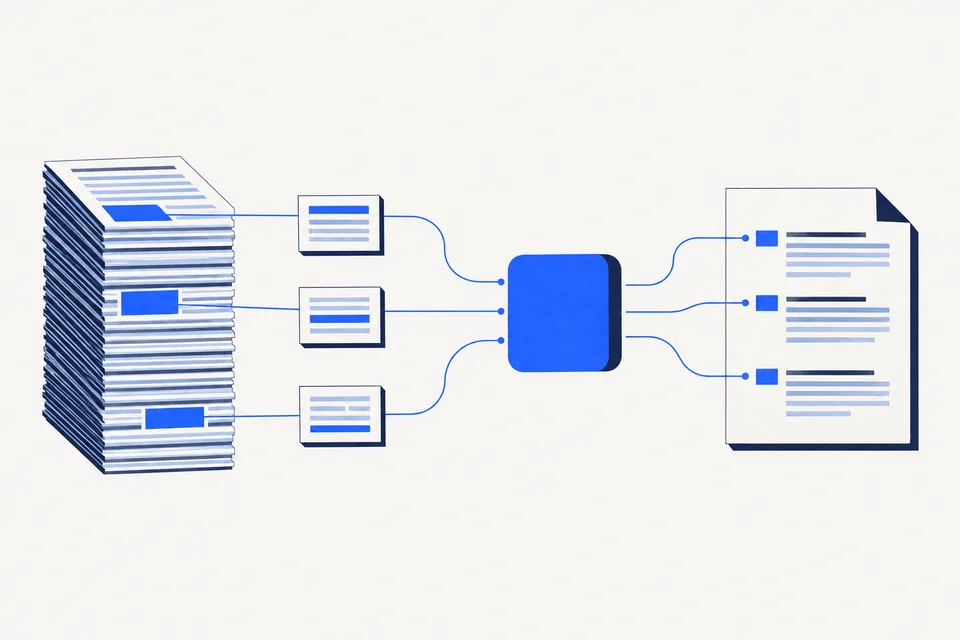
Generative AI & LLMs
RAG architectures, domain adaptation and fine-tuning, distillation into smaller models, Turkish evaluation sets and on-premise deployment.

MLOps & Model Operations
Evaluation infrastructure, observability, hallucination and regression tracking, continuous retraining.
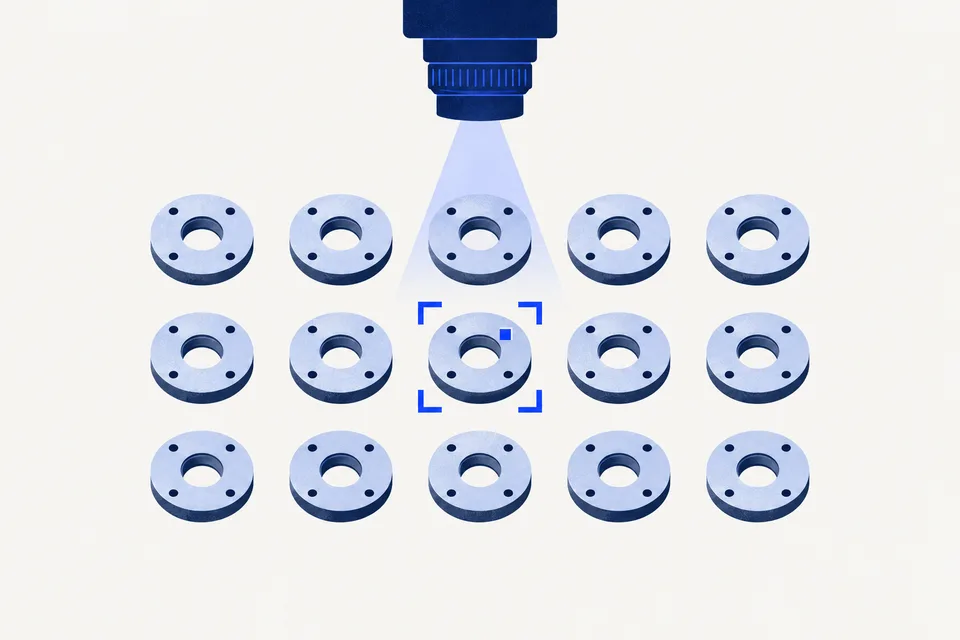
Computer Vision
Object detection and tracking, video understanding, vision-language models, document intelligence and OCR, real-time inference on edge devices.


Frequently asked questions
Does the retrieval system send our data outside?
No. A system working over literature and internal records can be installed on premises; the model and the data stay on the company's infrastructure and every answer links to its source document.
How are model decisions shown in an audit?
Every decision is recorded with its input image or document, model version and timestamp. Records are stored so they cannot be altered and can be queried retrospectively during an audit.
Does it replace the existing serialisation infrastructure?
No. Visual inspection complements the existing serialisation infrastructure by verifying on the line that the code was printed and reads correctly.
Other sectors

Manufacturing
Visual quality inspection, process optimisation and industrial automation.
Explore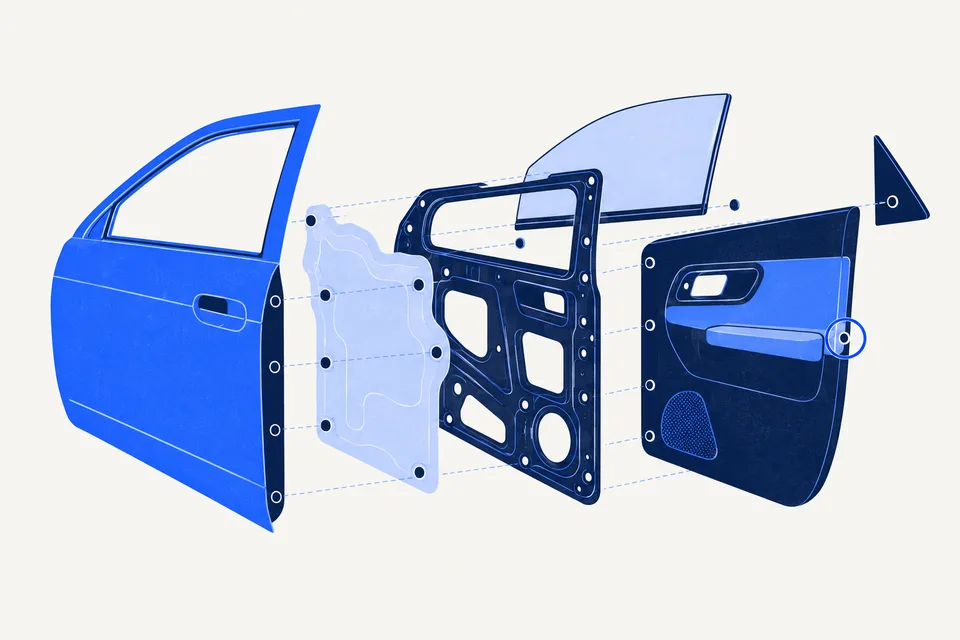
Automotive
Surface defect detection, assembly verification and vision models for driver assistance.
Explore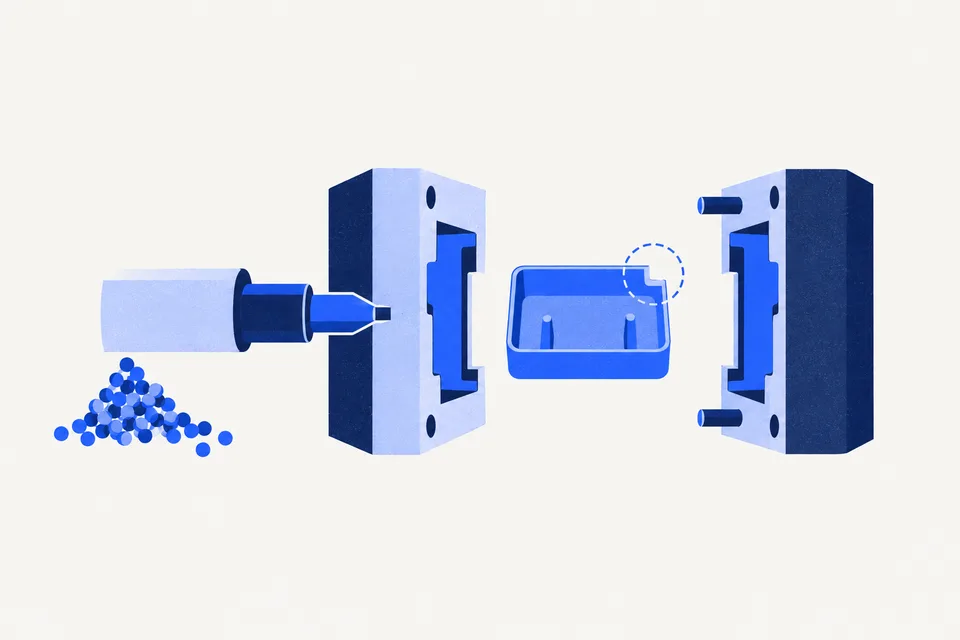
Plastics
Production optimisation, quality control and recycling efficiency.
Explore
Chemicals
Production monitoring, quality control and materials discovery.
Explore
Food
Production quality control, supply chain and adulteration detection.
Explore


Do you have a problem in this sector?
Let's define the problem together in a technical consultation; feasibility is assessed at the first stage.