
Research
Reinforcement Learning & Decision Systems
Decision policies that adapt to changing conditions, reward design, training in simulation and safe transfer to the field.

What we work on
- 01Reward design and detecting reward hacking
- 02Training in simulation and transferring to the field; closing the sim-to-real gap
- 03Decision policies that operate alongside language models
- 04Safe exploration: preventing the system from making an irreversible mistake while learning
- 05How success is measured across multi-step decisions, and catching policy regressions
Why we work in this area
In some problems the right answer is not fixed: the other side changes its behaviour too. A static rule set, or a classifier trained once, becomes predictable in that setting, and what is predictable gets circumvented.
Reinforcement learning answers this class of problem, but brings difficulties of its own: when the reward is designed wrongly, the system optimises the reward rather than the thing you wanted. That is why the weight of our work sits on reward design and safe exploration.
From our research projects
Both of our funded projects in this area come from the same idea: a protection strategy becomes predictable once it stays fixed. Our software protection and threat detection systems each update their strategy through reinforcement learning according to the situation they encounter.
Sectors where we apply it


Other research areas
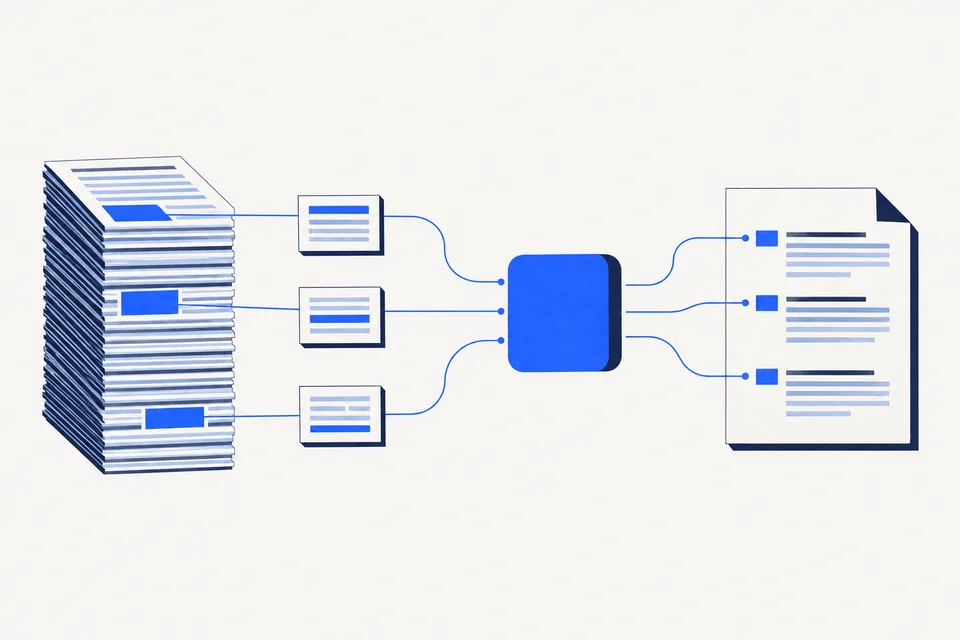
Generative AI & LLMs
RAG architectures, domain adaptation and fine-tuning, distillation into smaller models, Turkish evaluation sets and on-premise deployment.
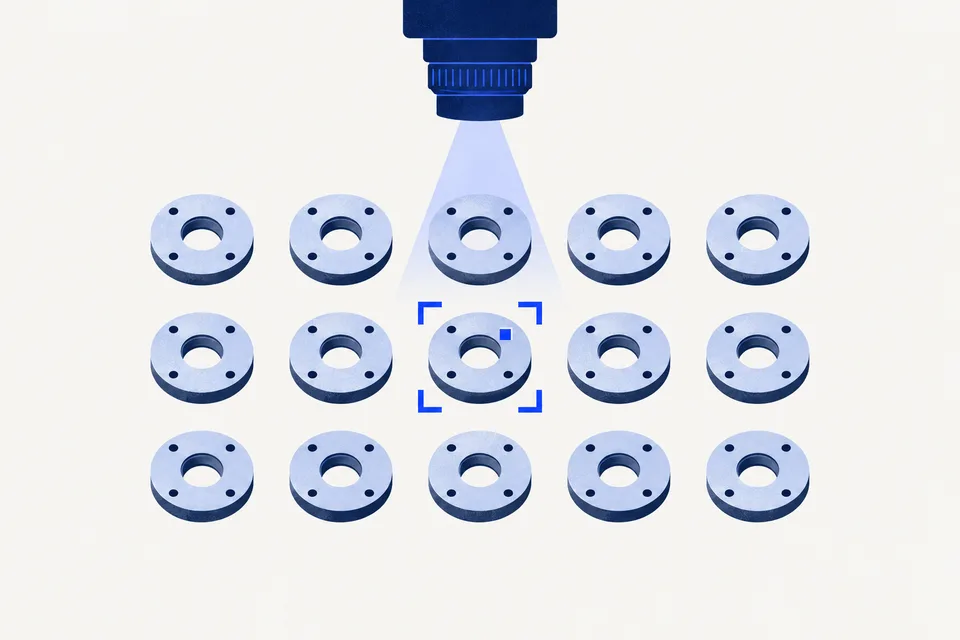
Computer Vision
Object detection and tracking, video understanding, vision-language models, document intelligence and OCR, real-time inference on edge devices.
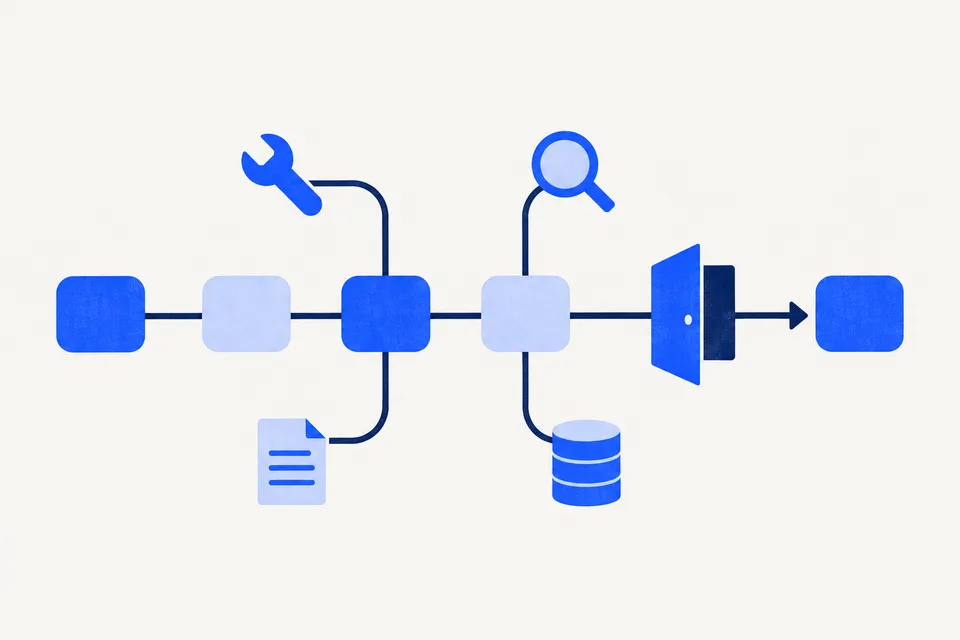
AI Agents
Tool use, multi-step planning and multi-agent orchestration; MCP integration, human-in-the-loop workflows and safety guardrails.
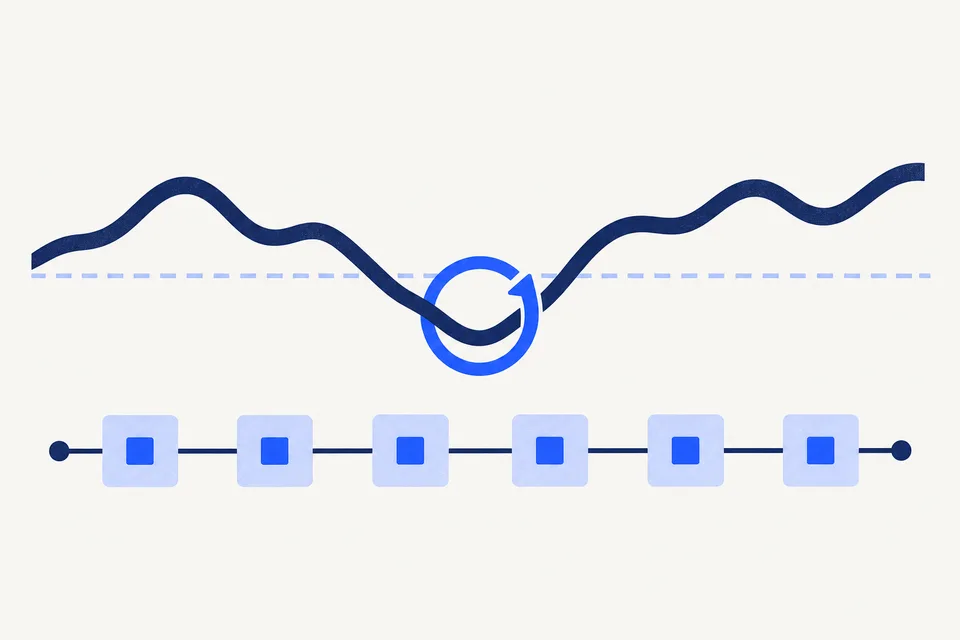
MLOps & Model Operations
Evaluation infrastructure, observability, hallucination and regression tracking, continuous retraining.
AI Security & Privacy
Robustness against adversarial attacks, prompt injection defence, learning without sharing data, and model confidentiality.


A technical assessment for your AI project
Your project's feasibility, risks and timeline are assessed in a technical consultation.