
Manufacturing & Industry
Automotive
In automotive, AI runs both on the production line and in the vehicle itself. Both sides share one problem: defining in advance what happens when the deciding system gets it wrong.

Problems we address in this sector
- 01Defect detection on body and paint surfaces, assembly verification and part traceability
- 02Object detection and scene understanding for driver assistance systems
- 03Running models on constrained in-vehicle processors within an energy budget
- 04Continuous improvement from field data and regression tracking across version transitions
Where it gets difficult
Quality expectations in the automotive supply chain are close to zero defects, and a single faulty part can put a whole shipment under question. In visual inspection that means agreeing up front not only on accuracy but on the balance between missed defects and false alarms.
Painted and glossy surfaces are hard for standard imaging because of reflections; a defect is often visible only at a particular light angle. In assembly verification the real task is not checking that a part is present but that the right part sits in the right position and orientation.
Approaches we apply
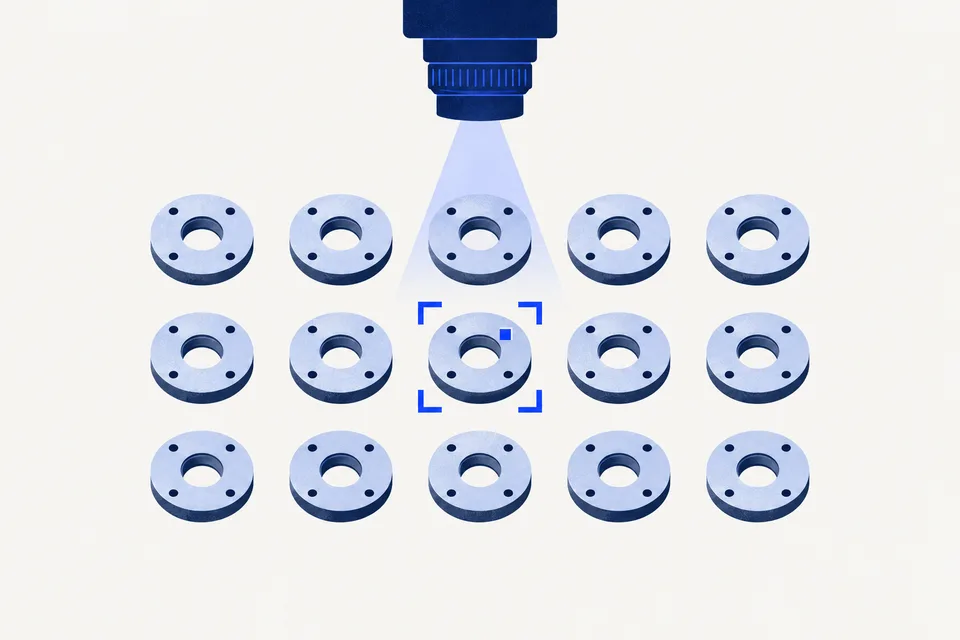
Computer Vision
Object detection and tracking, video understanding, vision-language models, document intelligence and OCR, real-time inference on edge devices.
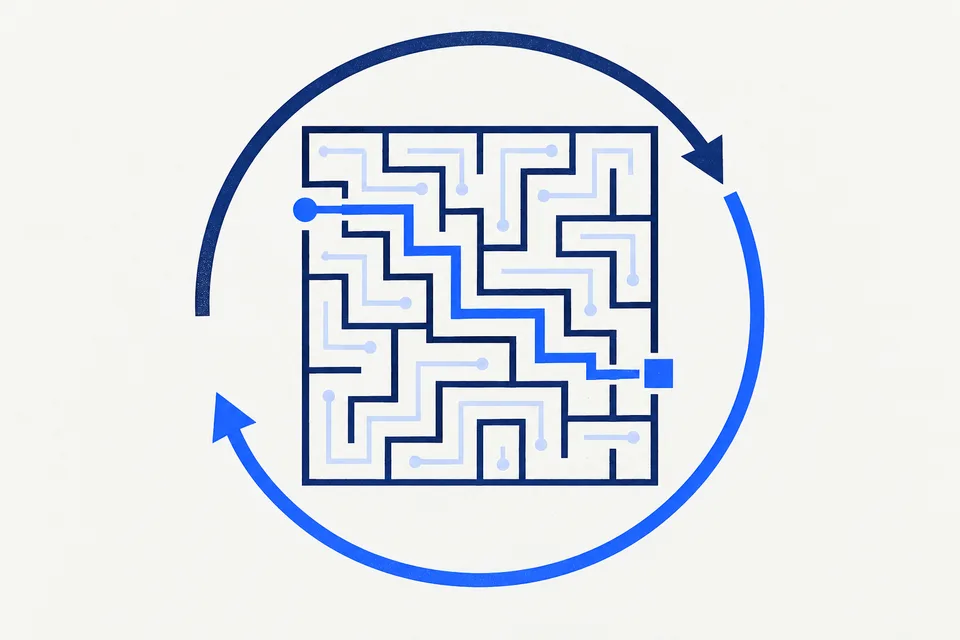
Reinforcement Learning & Decision Systems
Decision policies that adapt to changing conditions, reward design, training in simulation and safe transfer to the field.
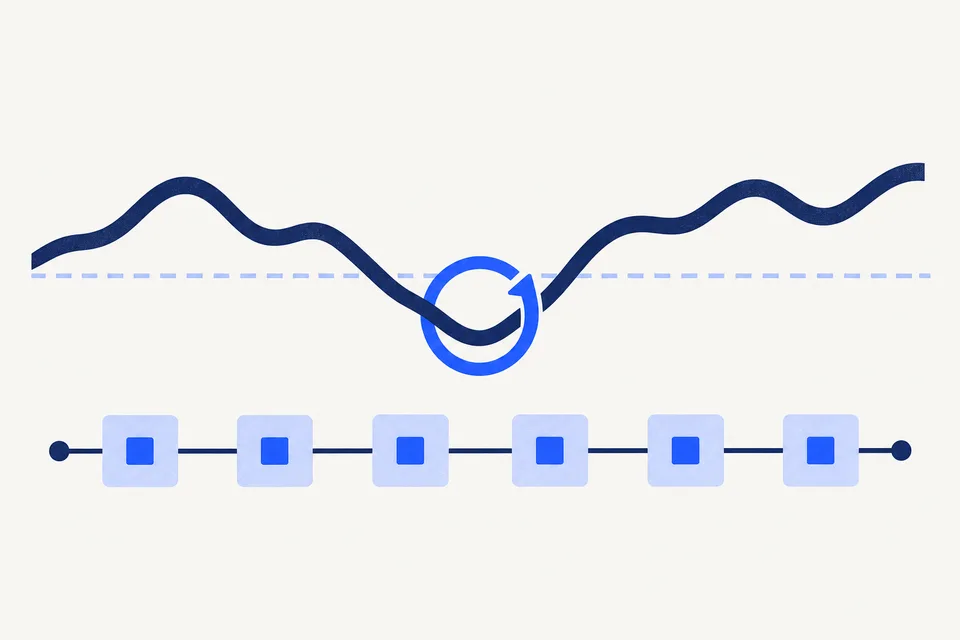
MLOps & Model Operations
Evaluation infrastructure, observability, hallucination and regression tracking, continuous retraining.


Frequently asked questions
Can you work with our existing cameras?
In most cases, yes. We first assess whether the existing images show the defect; if they do not, only the missing camera or lighting is added.
How is decision traceability ensured?
Every decision is recorded with its image, model version and timestamp. When a batch is questioned, it can be shown retrospectively which part passed and why.
Is earlier performance kept when the model is updated?
Each new version is compared with the previous one on a fixed test set. If any defect type regresses, the version is not deployed.
Other sectors
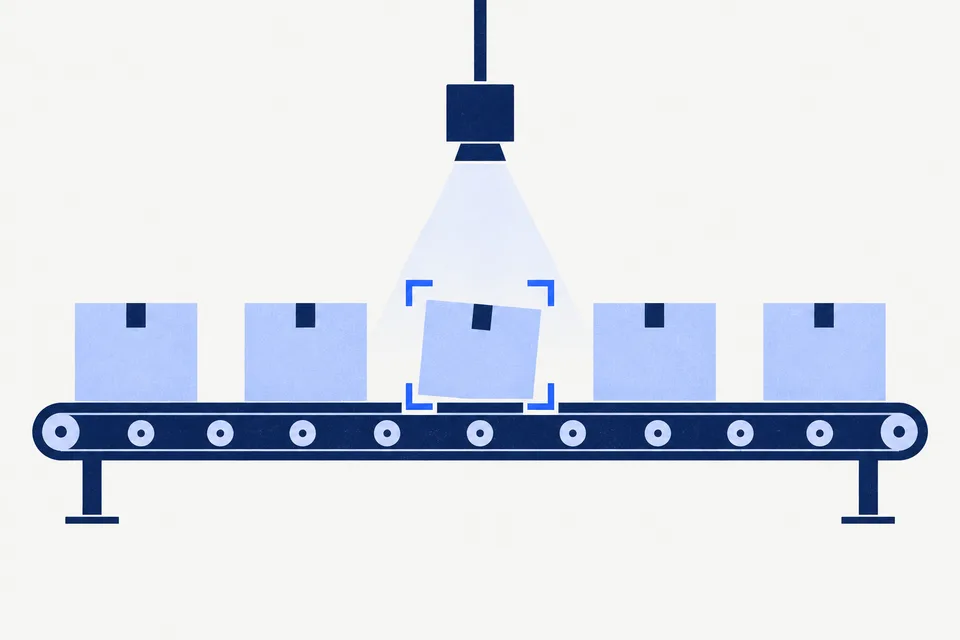
Manufacturing
Visual quality inspection, process optimisation and industrial automation.
Explore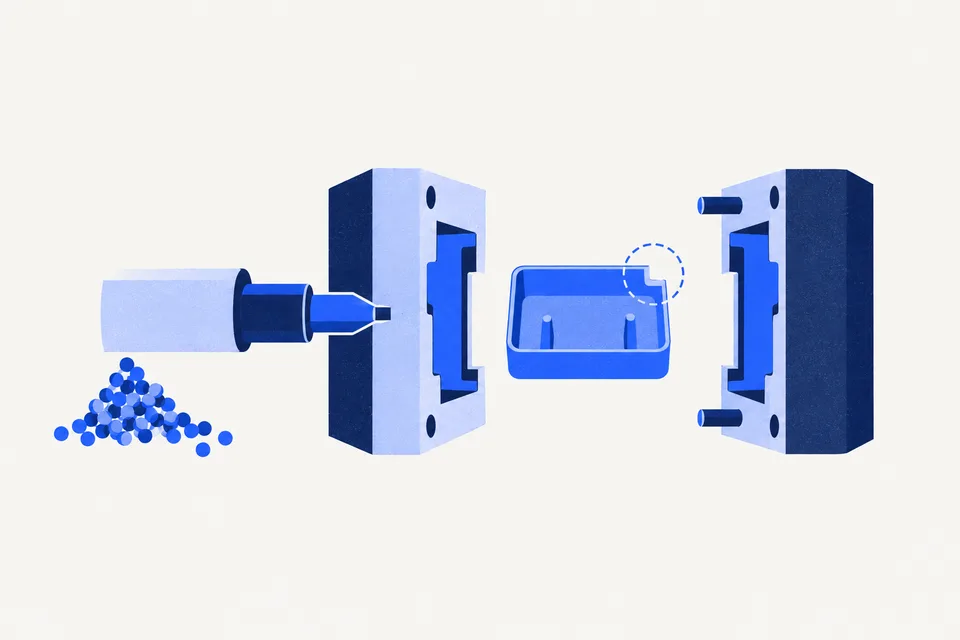
Plastics
Production optimisation, quality control and recycling efficiency.
Explore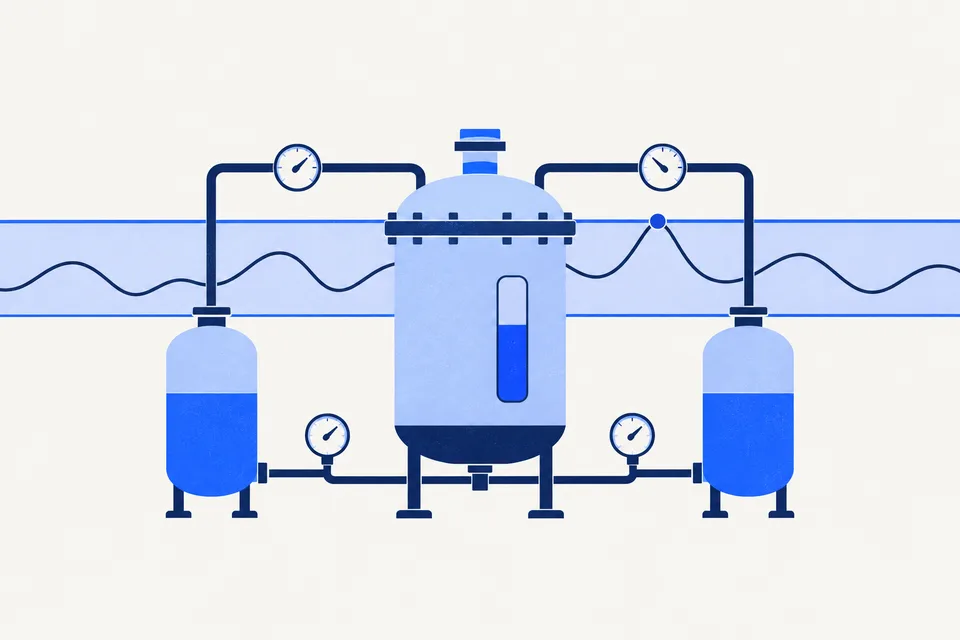
Chemicals
Production monitoring, quality control and materials discovery.
Explore
Pharmaceuticals
Packaging and serial number verification, retrieval with source attribution and decision trails.
Explore
Food
Production quality control, supply chain and adulteration detection.
Explore


Do you have a problem in this sector?
Let's define the problem together in a technical consultation; feasibility is assessed at the first stage.