
Pharmaceuticals & Food
Food
In food, visual inspection is a safety matter, not only a quality one. Foreign body and adulteration detection can require methods beyond standard imaging.

Problems we address in this sector
- 01Foreign body and defect detection on the production line
- 02Adulteration and authenticity verification; non-standard imaging methods
- 03Automatic verification of packaging and label accuracy
- 04Traceability and shelf-life tracking across the supply chain
Where it gets difficult
A large share of food recalls stems not from the product but from the label: the wrong label on the wrong product, a missing allergen declaration, an unreadable date code. These errors mostly appear at product changeovers and are hard to catch by eye at line speed.
Adulteration, on the other hand, is detected by measurement, not by image. The product's composition is compared with reference measurements accepted as genuine, and the model learns to separate deviation in the measurement data. How reliable the decision is depends on the quality of the reference library.
Approaches we apply
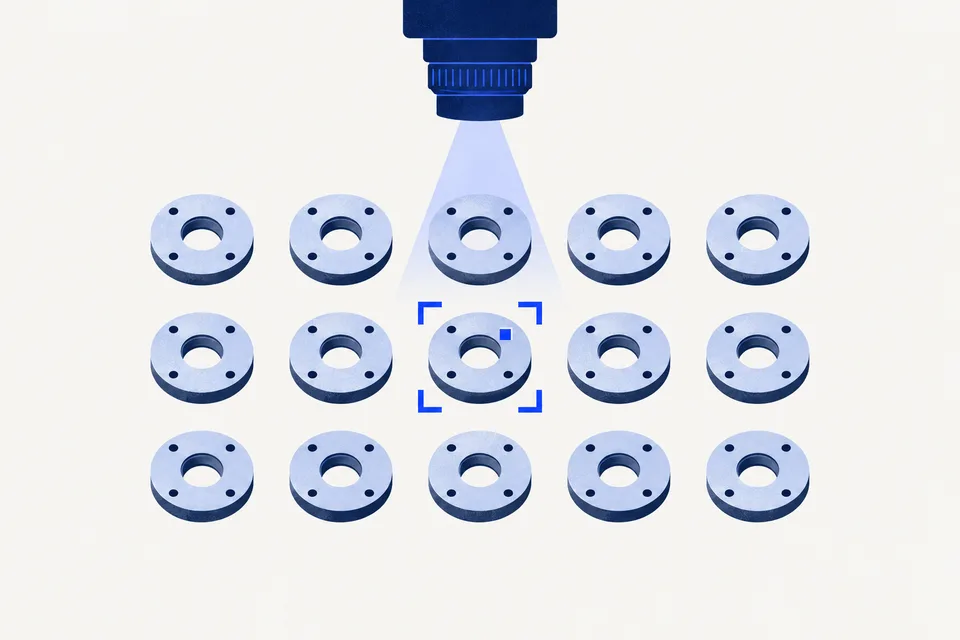
Computer Vision
Object detection and tracking, video understanding, vision-language models, document intelligence and OCR, real-time inference on edge devices.
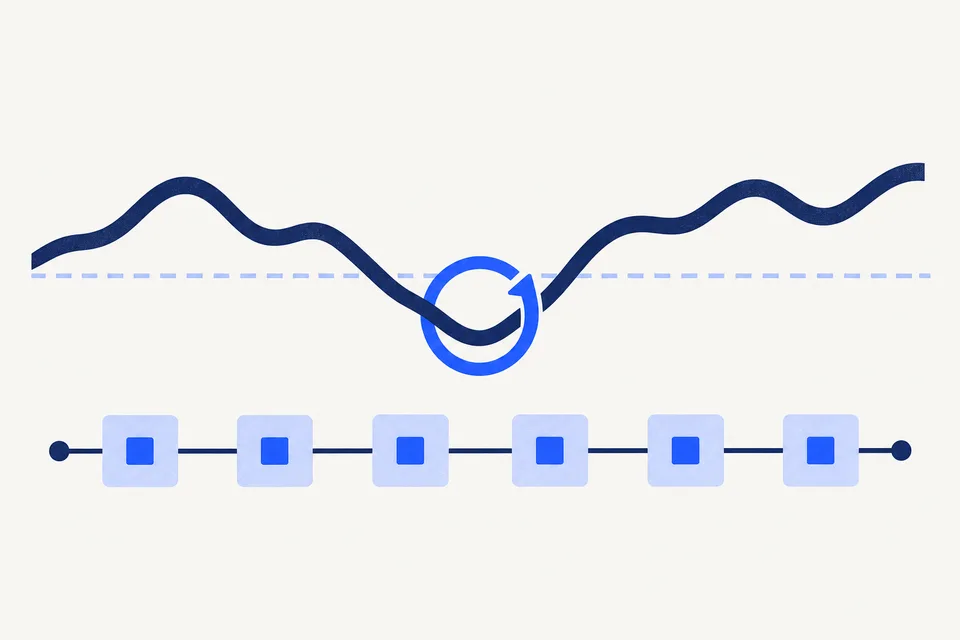
MLOps & Model Operations
Evaluation infrastructure, observability, hallucination and regression tracking, continuous retraining.
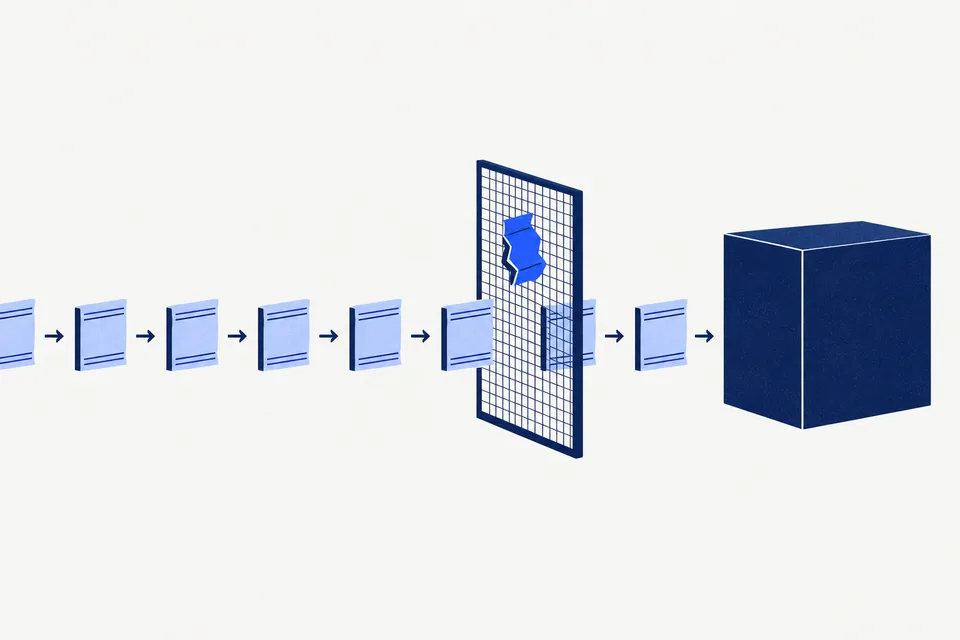
AI Security & Privacy
Robustness against adversarial attacks, prompt injection defence, learning without sharing data, and model confidentiality.


Frequently asked questions
Which errors does label inspection catch?
Presence and position of the label, the right label on the right product, a printed and readable date and batch code, and a readable barcode. Faulty products are rejected and the decision is stored with its image.
Can foreign bodies be detected with a camera?
For foreign bodies visible on the surface, yes. For material inside the product a camera is not enough; other sensing methods are needed.
Is a laboratory needed for adulteration detection?
Laboratory validation is needed to set up the reference measurements. Once the reference exists, routine checks can be done with faster methods.
Other sectors

Manufacturing
Visual quality inspection, process optimisation and industrial automation.
Explore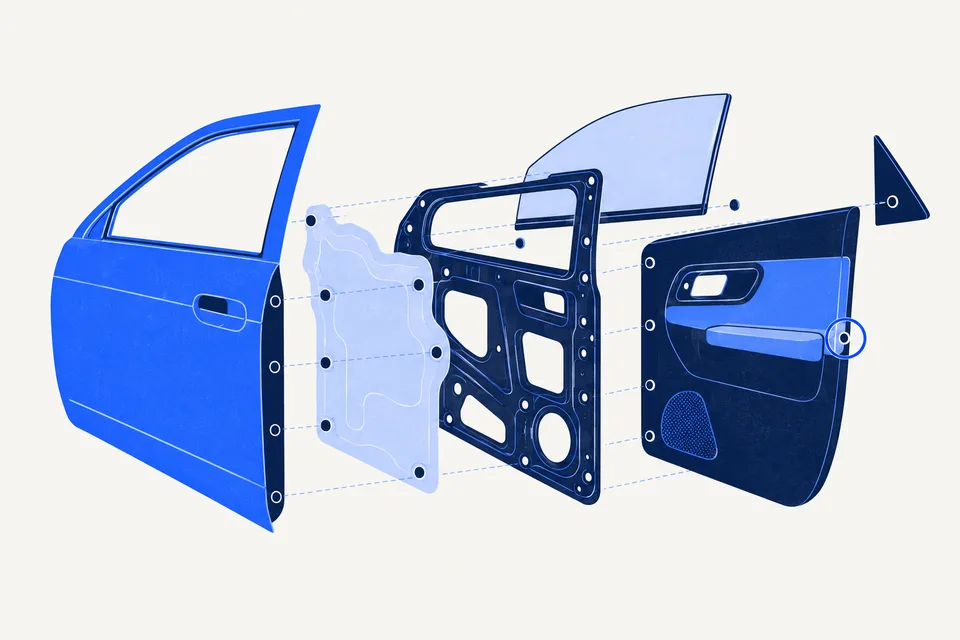
Automotive
Surface defect detection, assembly verification and vision models for driver assistance.
Explore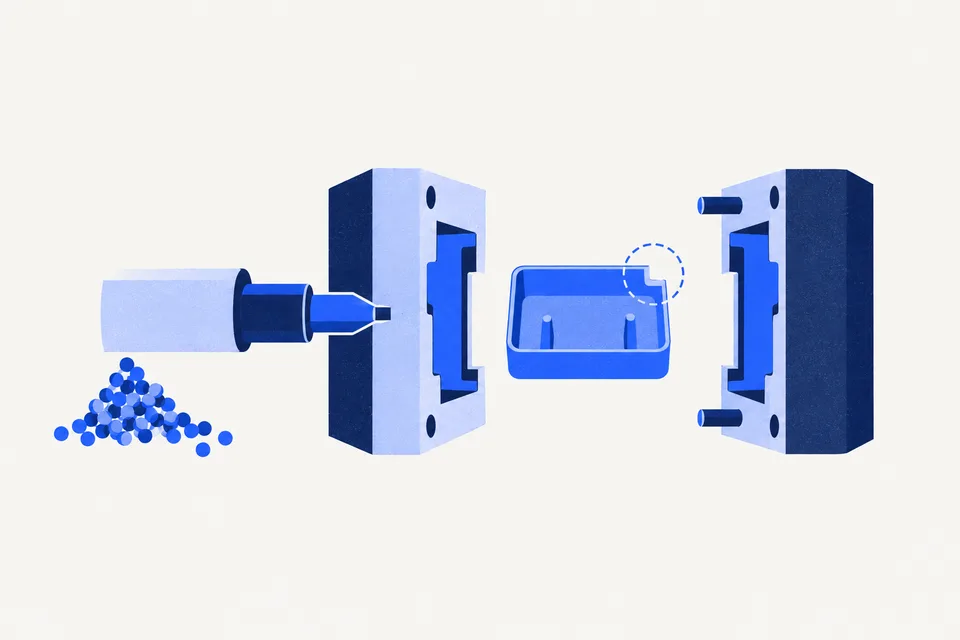
Plastics
Production optimisation, quality control and recycling efficiency.
Explore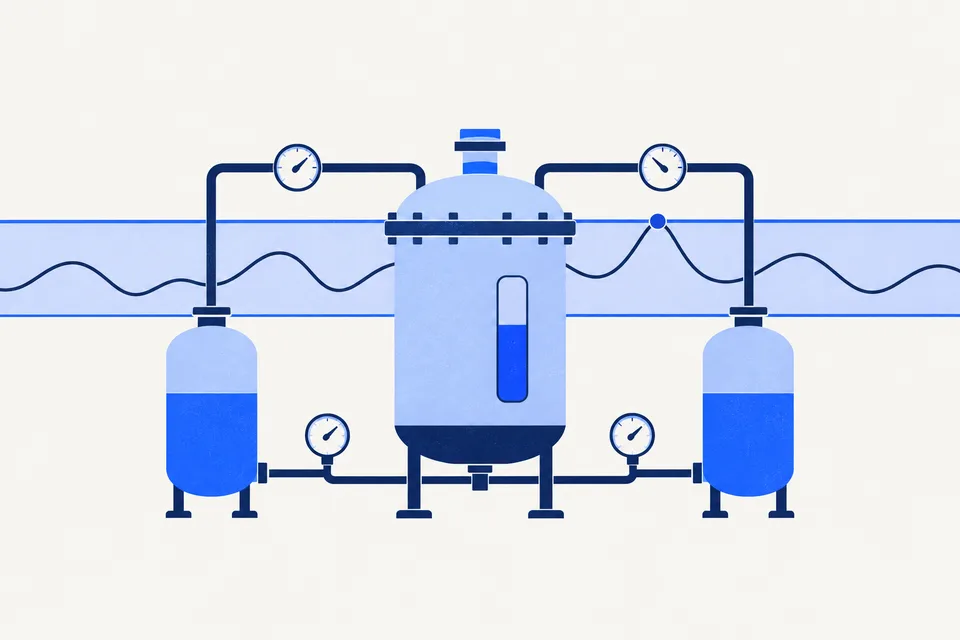
Chemicals
Production monitoring, quality control and materials discovery.
Explore
Pharmaceuticals
Packaging and serial number verification, retrieval with source attribution and decision trails.
Explore


Do you have a problem in this sector?
Let's define the problem together in a technical consultation; feasibility is assessed at the first stage.