
Research
Generative AI & LLMs
RAG architectures, domain adaptation and fine-tuning, distillation into smaller models, Turkish evaluation sets and on-premise deployment.

What we work on
- 01Retrieval-augmented (RAG) architectures over enterprise data: chunking strategies, hybrid search, re-ranking and source attribution
- 02Domain adaptation and fine-tuning; distilling large models into smaller, cheaper ones
- 03Domain-specific evaluation sets for Turkish and automated evaluation pipelines
- 04On-premise deployment for organisations with data security requirements, plus cost–latency optimisation
Why we work in this area
Language models are now easy to reach; the hard part is making them work with a particular organisation's data, terminology and risk tolerance. In most organisations the problem is not the model's capability but the disorder of the data and the fact that its output cannot be verified.
There is a separate gap on the Turkish side. Machine-translated international evaluation sets give misleading results because of Turkish morphology and domain terminology. That is why we build our own evaluation sets for every field we work in.
From our research projects
One of our funded projects focuses on building a software protection system that adapts itself to changing conditions by combining language models with reinforcement learning. Unlike classical static approaches, the system updates its strategy according to the new situations it encounters.


Related posts
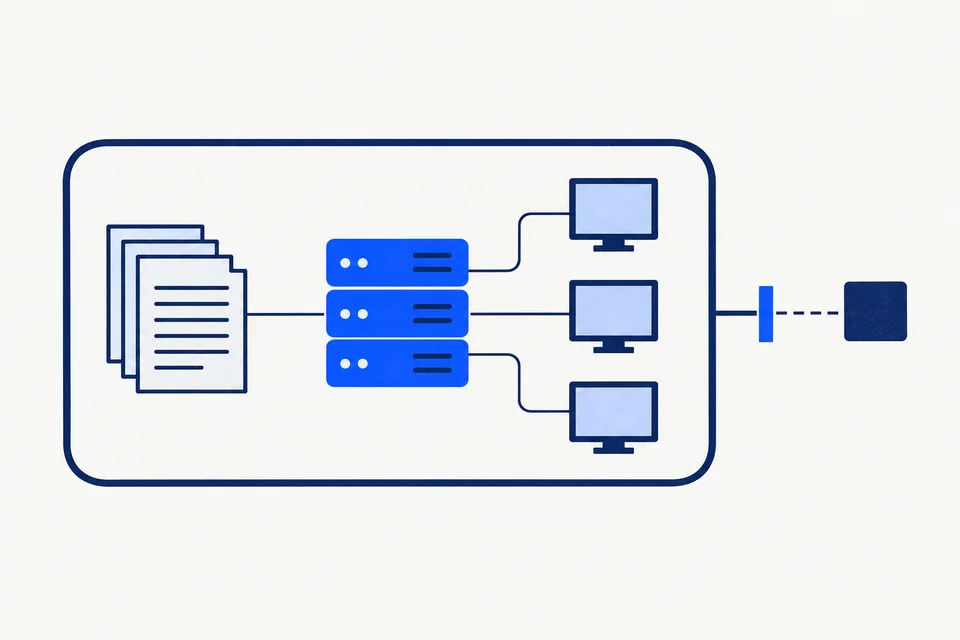
Can you run ChatGPT in-house? A decision guide to KVKK and on-premise LLMs
The difference between an enterprise service, a cloud API and an in-house installation, the order KVKK sets out when personal data leaves Türkiye, and the technical components of an on-premise language model.

Why Turkish evaluation sets are a problem in their own right
Why we build our Turkish evaluation sets from scratch, the fundamental problems with machine-translated sets, and how domain terminology distorts measurement.


Other research areas

Computer Vision
Object detection and tracking, video understanding, vision-language models, document intelligence and OCR, real-time inference on edge devices.
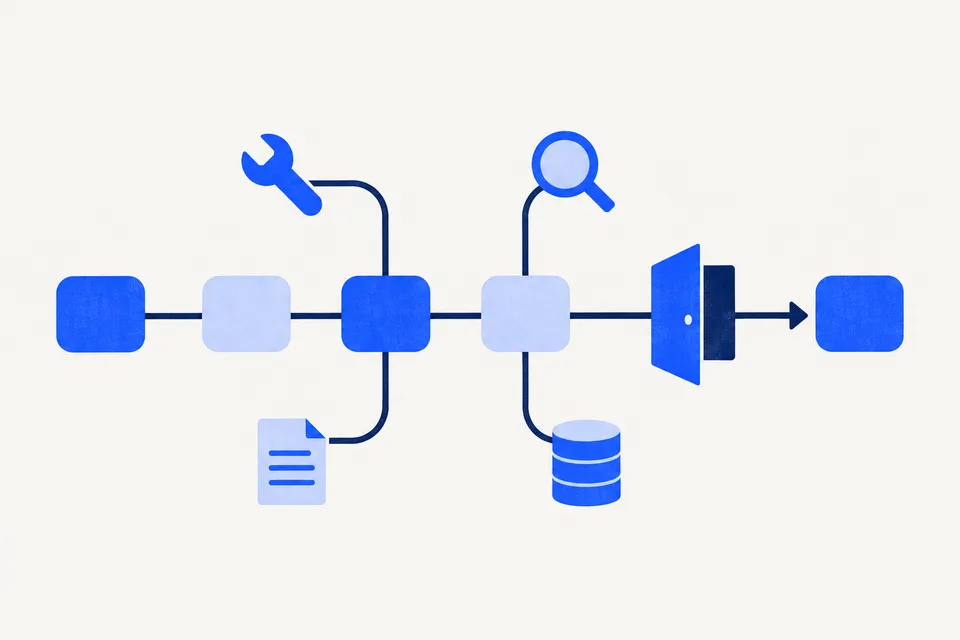
AI Agents
Tool use, multi-step planning and multi-agent orchestration; MCP integration, human-in-the-loop workflows and safety guardrails.
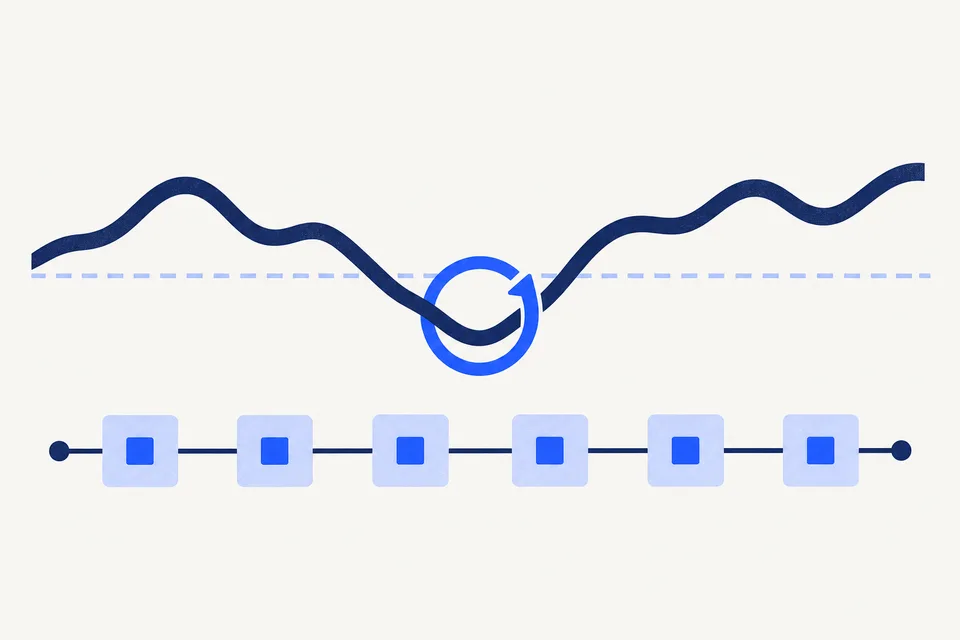
MLOps & Model Operations
Evaluation infrastructure, observability, hallucination and regression tracking, continuous retraining.
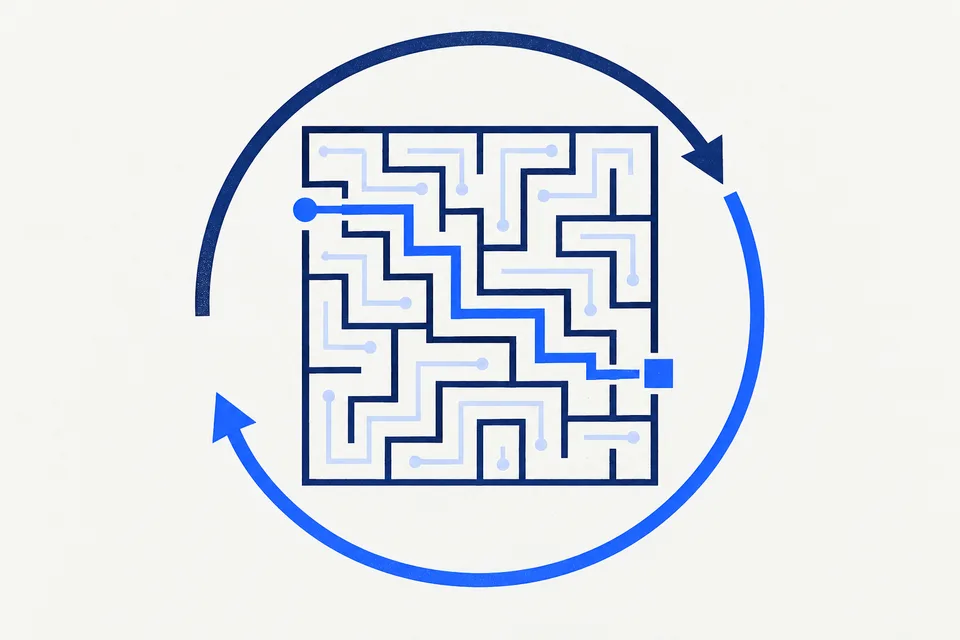
Reinforcement Learning & Decision Systems
Decision policies that adapt to changing conditions, reward design, training in simulation and safe transfer to the field.
AI Security & Privacy
Robustness against adversarial attacks, prompt injection defence, learning without sharing data, and model confidentiality.


A technical assessment for your AI project
Your project's feasibility, risks and timeline are assessed in a technical consultation.